

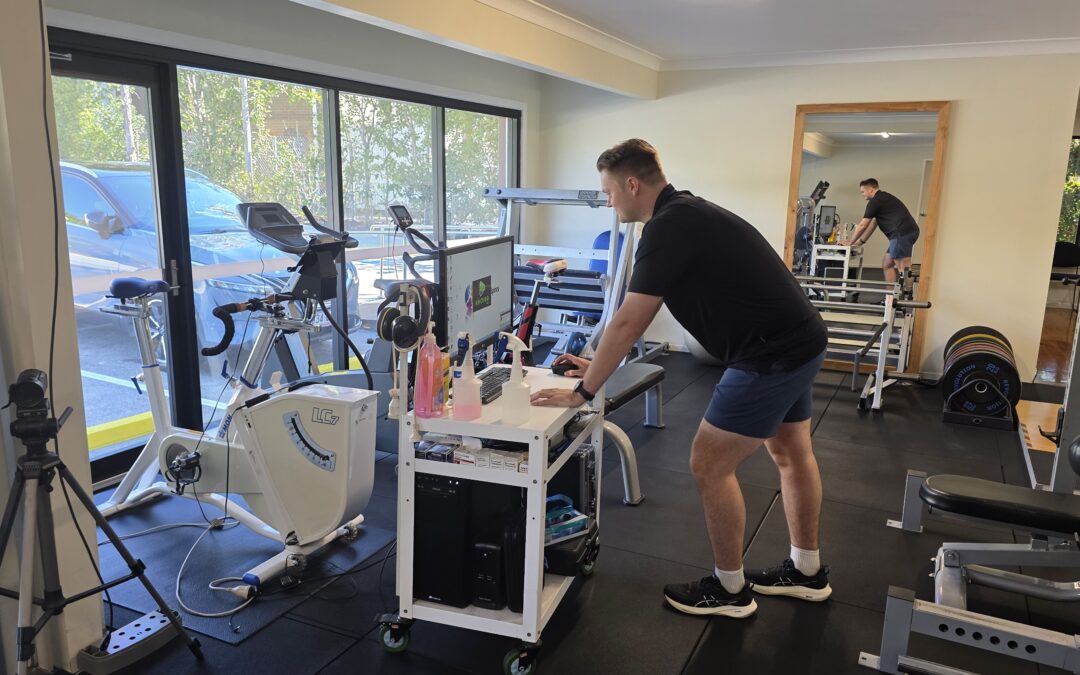
Starting exercise can feel confusing. You may want to lose weight, improve your fitness, build strength, return to sport, or perform better as an athlete. However, with so much information online, it can be hard to know what actually works.
This is where exercise science can help.
Exercise science uses evidence-based training principles to help people move better, train smarter, and reach their goals safely. Whether you are new to the gym or competing at a high level, exercise science can help create a plan that suits your body, your goals, and your current fitness level.
What Is Exercise Science?
It is the study of how the body responds to movement, exercise, and physical activity.
It looks at areas such as:
- Strength
- Fitness
- Flexibility
- Balance
- Recovery
- Injury risk
- Sports performance
In practical terms, it helps answer important questions, including:
- What exercises should I be doing?
- How often should I train?
- Am I doing enough to see results?
- Am I doing too much?
- How can I improve without getting injured?
- How do I make exercise work for my specific goal?
An exercise science professional uses this knowledge to design safe and effective exercise programs. These programs are not random workouts. Instead, they are planned around your needs, ability, health history, and goals.
How Exercise Science Can Help With Weight Loss
For many people, weight loss is one of the main reasons for starting exercise.
The challenge is that weight loss advice can be overwhelming. Some people think they need to do hours of cardio. Others try intense programs that are too hard to maintain. As a result, they may feel frustrated, burn out, or give up altogether.
Exercise science helps by creating a realistic and sustainable plan.
For someone new to training, this may include a mix of strength training, cardio, mobility work, and gradual increases in activity. The goal is not to make every session as hard as possible. Instead, the goal is to build a routine that is safe, achievable, and consistent.
Strength training may help build muscle and improve how the body uses energy. Cardio can support heart health, fitness, and calorie expenditure. Mobility and movement exercises can also help reduce stiffness and improve confidence.
For example, a beginner may start with simple exercises such as:
- Leg press
- Seated row
- Chest press
- Step-ups
- Stationary cycling
- Mobility exercises
As fitness improves, the program can gradually become more challenging. This approach helps people make progress without feeling overwhelmed.
How Exercise Science Can Help Athletes
Exercise science is also valuable for athletes who want to improve performance.
At a competitive level, small improvements can make a big difference. Running faster, jumping higher, changing direction better, improving endurance, and recovering more effectively can all impact sporting performance.
An exercise science professional can help identify what an athlete needs most.
For example, a football player may need better sprint speed, lower-body power, repeated-effort fitness, or change-of-direction ability. A runner may need improved endurance, strength, pacing, or injury prevention. A gym-based athlete may need better technique, programming, and recovery management.
Exercise science helps make training more specific. Rather than doing more work for the sake of it, athletes can focus on the areas that matter most for their sport.
This may include:
- Strength and conditioning
- Speed and agility training
- Fitness testing
- Movement analysis
- Recovery planning
- Training load management
- Injury risk reduction
The aim is to help athletes train with purpose. It can also reduce the risk of undertraining, overtraining, or unnecessary injury.
How an Exercise Science Professional Can Help You
An exercise science professional can support a wide range of people, from beginners through to experienced athletes.
For beginners, they can help you feel more comfortable with exercise. They can also teach correct technique, help you set realistic goals, and build a routine that fits into your life.
For people focused on weight loss, they can design a program that supports fat loss while also improving strength, fitness, energy, and confidence.
For athletes, they can create performance-focused programs based on the demands of your sport, your current ability, and your competition goals.
They can also help track your progress over time. This may include improvements in:
- Strength
- Fitness
- Movement quality
- Body composition
- Confidence
- Sport performance
Tracking these changes helps show what is working. It also helps identify when your program needs to be adjusted.
Most importantly, exercise science is individualised. This means your program should be based on you, not a generic plan found online. Your injury history, fitness level, training experience, lifestyle, and goals all matter.
Exercise Science Is for Every Fitness Level
Exercise science is not only for elite athletes. It is also for people who are just getting started.
A beginner may need help building confidence and consistency. An athlete may need advanced training, performance testing, and sport-specific programming. Although the details may differ, the goal is the same.
Exercise science helps you move better, train safely, and make real progress.
Take the Next Step
Whether you want to lose weight, improve fitness, build strength, or perform better in sport, exercise science can give you a clearer path forward.
You do not need to know exactly where to start. An exercise science professional can assess where you are now, understand your goals, and build a plan that suits you.
With the right guidance, exercise becomes less confusing and more effective.
If you are ready to start, the team at the Institute of Sports and Spines can help you develop an exercise plan that suits your goals, your body, and your current fitness level. Book an appointment online, or call us on 07 3398 7022.
Frequently Asked Questions
What is exercise science?
Exercise science is the study of how the body responds to movement, exercise, and physical activity. It helps guide safe and effective exercise programs for fitness, strength, weight loss, recovery, and performance.
Can exercise science help with weight loss?
Yes. It can help create a realistic exercise plan that supports weight loss while also improving strength, fitness, mobility, and confidence.
Is exercise science only for athletes?
No. It can’t help people of all fitness levels. It is useful for beginners, people returning to exercise, gym users, and athletes who want to improve performance.
How is an exercise science program different from a normal workout?
An exercise science program is planned around your goals, fitness level, health history, and current ability. It is more individualised than a generic workout found online.
Can exercise science help reduce injury risk?
Yes. It can help improve technique, strength, movement quality, recovery, and training load management. This may help reduce the risk of injury during exercise or sport.
Recent Comments