

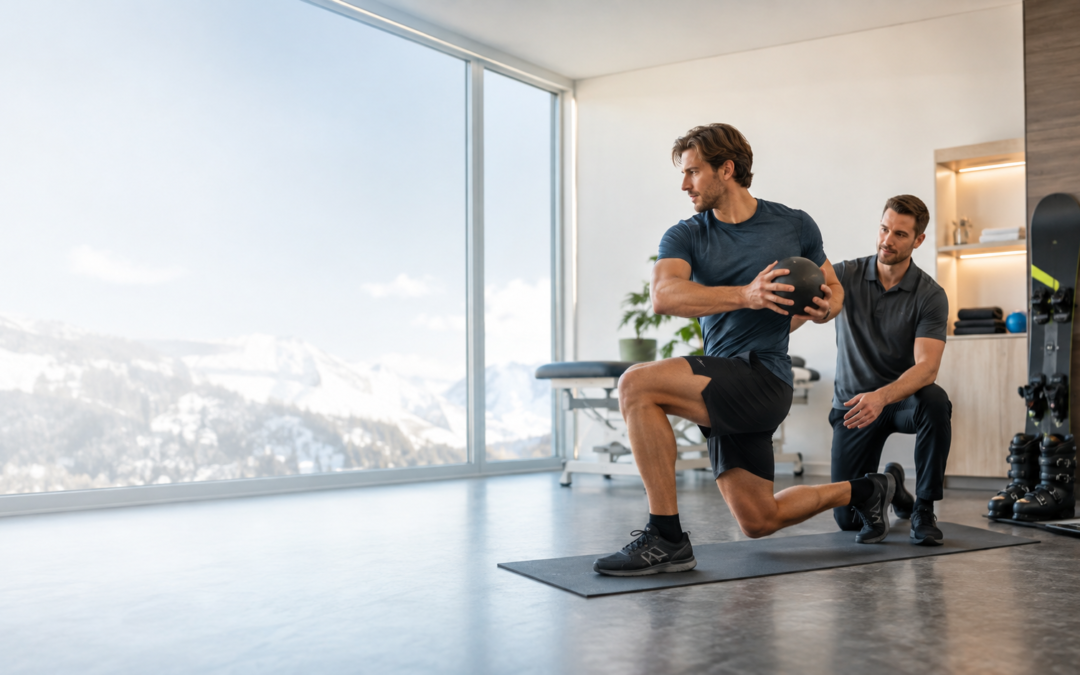
Winter Sports Preparation: Get Your Body Ready for Skiing and Snowboarding
By Augustine Bub,
As winter approaches, many Australians head across the Tasman to enjoy the ski fields of New Zealand. Whether you are an experienced skier or planning your first snow holiday, winter sports preparation can help your body cope with the physical demands of skiing and snowboarding.
Winter Sports such as skiing and snowboarding require a combination of strength, mobility, balance and endurance. Preparing before your trip may help you move more efficiently, manage fatigue and reduce the risk of common skiing-related aches and injuries.
Why Is Winter Sports Preparation Important?
A day on the slopes can place significant demands on your muscles and joints. Skiing involves repeated bending, turning and controlling forces through the hips, knees and ankles. Meanwhile, snowboarding requires balance, trunk control and the ability to absorb changing forces through the body. As fatigue develops, maintaining good movement and control can become more difficult.
Common problems associated with skiing and snowboarding can include:
- Knee pain and sprains
- Lower back pain
- Muscle strains
- Calf and thigh soreness
- Hip stiffness
- Ankle discomfort
- General muscle fatigue
Therefore, preparing your body before your ski holiday can make the transition from everyday activity to long days on the mountain easier.
How Can Myotherapy Help With Ski Preparation?
Myotherapy focuses on assessing and managing muscular and musculoskeletal problems that may affect movement, comfort and physical performance. Before a ski trip, a myotherapy assessment can help identify areas of muscular tightness, restricted movement or reduced function that may become more noticeable on the slopes.
Treatment may include:
- Soft tissue therapy
- Myofascial techniques
- Muscle release techniques
- Mobility exercises
- Stretching
- Corrective exercises
- Advice on managing muscular load and recovery
The goal is not simply to loosen tight muscles. Instead, treatment can form part of a broader approach to preparing your body for the specific demands of skiing or snowboarding.
Improve Hip and Lower Limb Mobility
Good hip, knee and ankle movement is particularly important for winter sports. Restricted movement in one area can affect how other parts of the body respond during turns, squats and changes in direction. For example, improving hip mobility and lower limb function may make it easier to maintain a comfortable skiing position throughout the day.
Your preparation may focus on areas such as:
- Hip mobility
- Ankle mobility
- Quadriceps and hamstring flexibility
- Calf function
- Gluteal strength
- Trunk and core control
Build Strength and Endurance Before Your Ski Trip
While hands-on treatment may help address muscular tightness or discomfort, exercise preparation is equally important. Skiing requires your legs to repeatedly control your body weight while maintaining a partially flexed position. As a result, the quadriceps, hamstrings, glutes and calf muscles can fatigue quickly if they are not accustomed to this type of activity.
A good ski preparation program may include:
- Squats and split squats
- Lunges
- Step-ups
- Calf strengthening
- Gluteal strengthening
- Core exercises
- Balance training
- Cardiovascular conditioning
Ideally, begin preparing several weeks before your trip rather than waiting until the final few days.
Don’t Forget Balance and Coordination
Balance is another important part of winter sports preparation. Both skiing and snowboarding require constant adjustments to changes in terrain, speed and body position. Therefore, exercises that challenge balance and lower limb control can be useful before you travel. Single-leg exercises, controlled directional movements and balance drills can help prepare your body for these changing demands.
Recovery During Your Ski Holiday
Preparation does not stop once you reach the mountain. After several hours of skiing or snowboarding, it is normal to experience some muscle fatigue and soreness. However, good recovery strategies may help you feel better when you return to the slopes the following day.
Consider:
- Staying well hydrated
- Eating adequately throughout the day
- Getting sufficient sleep
- Using gentle mobility exercises after skiing
- Allowing recovery time when your body feels excessively fatigued
- Gradually increasing your skiing time during the first few days
Avoid trying to make up for months without skiing by going from the first lift to the last lift on day one.
Myotherapy for Post-Ski Muscle Soreness
Myotherapy may also assist with managing muscular soreness, stiffness and tension associated with long days on the mountain. Treatment after periods of increased physical activity can focus on restoring comfortable movement and addressing areas that have become tight or overloaded. However, persistent or significant pain should be properly assessed rather than simply treated as muscle soreness.
Start Preparing Before You Reach the Snow
A successful ski holiday involves more than buying the right jacket and booking your lift passes. Preparing your strength, mobility, balance and endurance before travelling can help you cope better with the physical demands of skiing and snowboarding.
If you are heading to the snow this season, consider starting your winter sports preparation several weeks before departure.
Myotherapy in Tingalpa, Brisbane
Augustine Bub provides myotherapy and musculoskeletal therapy at The Institute of Sports and Spines in Tingalpa, Brisbane.
If you would like help addressing muscular tightness, improving mobility or preparing your body for your upcoming ski or snowboarding holiday, book an appointment with Augustine before you travel.
Recent Comments