


Get stronger with knee pain
By Bevan Chen
Knee Pain
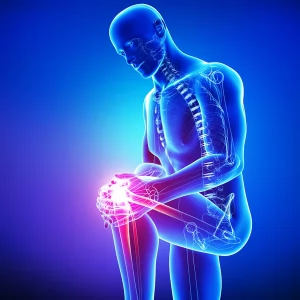
Knee pain is a very common problem and can affect people of all ages. However, it is often ignored until it begins to interfere with walking, exercise or everyday activities.
Knee pain can develop for many reasons. Common causes include a previous injury, repetitive overuse, muscle weakness, changes in activity levels, or age-related changes within the knee joint.
For many people, knee pain can make it feel difficult to exercise or become stronger. This can create a frustrating cycle, because avoiding movement may lead to further weakness around the knee.
It is also important to remember that knee pain can vary significantly from person to person. Two people with similar symptoms may respond differently to treatment, exercise or changes in activity. Therefore, an individual approach is often important when managing persistent knee pain.
One of the most useful strategies for supporting a painful knee is to gradually build strength in the muscles surrounding the joint. Strengthening the quadriceps, hamstrings, calves and glutes can improve knee stability and help control movement through the lower limb.
You can think of these muscles as a natural support system around the knee. Stronger muscles may help reduce unnecessary stress on the joint, improve movement control and increase confidence during everyday activities.
While strengthening exercises may not completely remove knee pain in every case, improving knee strength and stability can help make the joint more resilient and may reduce the risk of symptoms becoming aggravated during activity.
Muscles Around the Knee
Strong muscles around the knee are essential for knee stability, movement and injury prevention. The main muscle groups that support the knee are the quadriceps, hamstrings, calves and glutes.
The quadriceps are located at the front of the thigh, while the hamstrings are found at the back. These muscles work together to control movement at the knee. The quadriceps help straighten the knee, while the hamstrings help bend it.
The calf muscles are located below the knee at the back of the lower leg. Although they are mainly responsible for ankle movement, some of the calf muscles also assist with bending the knee and controlling movement during walking, running and exercise.
The gluteal muscles, or glutes, are located around the hips and buttocks. While they do not directly move the knee, they play an important role in hip stability and lower-limb control. Strong glutes can help keep the hips, knees and feet properly aligned during activities such as walking, running, squatting and climbing stairs.
Strengthening the quadriceps, hamstrings, calves and glutes can therefore improve knee strength and stability. Better control through the hips and legs may also reduce unnecessary stress on the knee joint and help support comfortable, confident movement.
Exercises to Improve Knee Control
Improving knee strength and control does not always require complicated exercises. A well-designed program can gradually strengthen the muscles around the knee while also improving balance, stability and confidence with movement.
Some useful knee strengthening exercises include:
- Knee extensions – strengthen the quadriceps at the front of the thigh and help improve control when straightening the knee.
- Hamstring curls – strengthen the muscles at the back of the thigh, which assist with bending and stabilising the knee.
- Calf raises – strengthen the calf muscles and improve lower-leg and ankle control during walking, running and other activities.
- McGill squats – help develop strength and control through the hips, thighs and knees while practising good movement technique.
Advanced Knee Strengthening Exercises
Once basic strength and control have improved, more challenging exercises can be introduced. These may include:
- Single-leg squats – develop strength, balance and control through one leg at a time.
- Lunges – strengthen the quadriceps, hamstrings and glutes while improving control through the hips, knees and ankles.
The right exercises will depend on your current strength, symptoms, activity level and goals. Exercise should usually be progressed gradually, particularly if you are returning to running or sport after a period of knee pain.
If you would like help developing an individual knee strengthening or return-to-running program, our Exercise Physiology team can assess your movement, strength and training goals and develop an appropriate exercise plan.
Book an appointment online to get started.
Recent Comments