

By Jodi Floyd
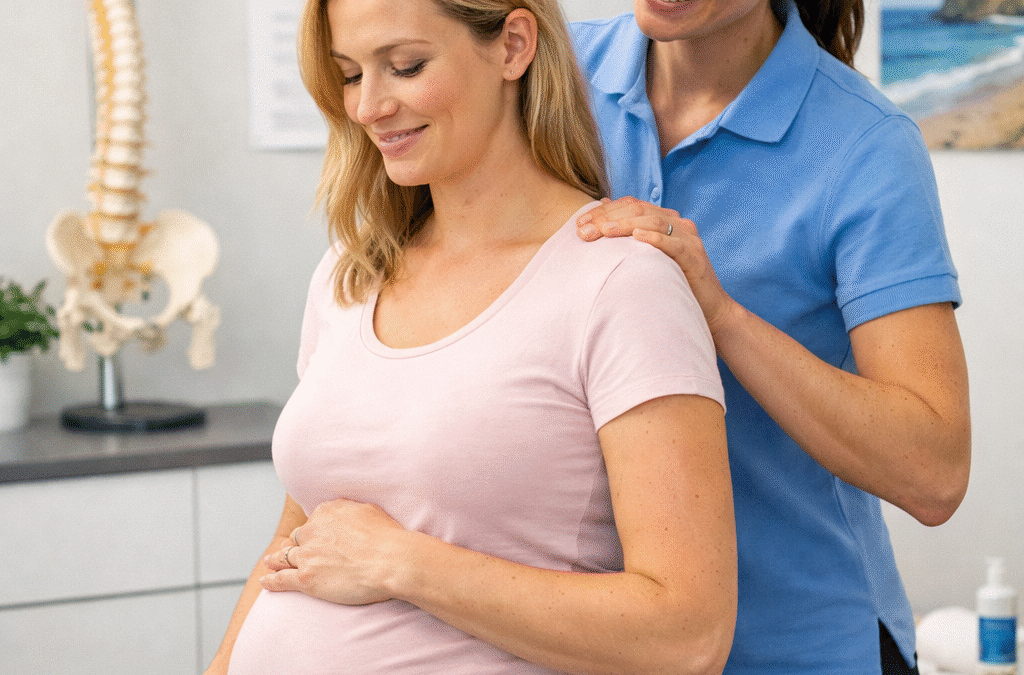
Having a baby is an amazing and exciting time in a person’s life. During pregnancy, the body goes through significant physical changes, which can contribute to:
-
Lower back pain and pelvic discomfort
-
Sciatica and nerve pain
-
Hip and groin pain
-
Pubic symphysis dysfunction
-
Tight muscles and ligaments
-
Supporting optimal fetal positioning
Around 60% of women experience notable back and pelvic pain during pregnancy. As your baby grows, the expanding uterus can shift your centre of gravity forward. This often increases the curve in the lower back (known as lordosis), which may place extra strain on the pelvis and surrounding soft tissues.
Some research suggests that when pelvic and neuromuscular balance is well supported, it may be associated with improved comfort during pregnancy and, in some cases, more efficient labour outcomes. Keeping the pelvis and lumbar spine mobile, flexible, and functioning well can also help reduce unnecessary tension and support smoother movement patterns as your body adapts.
Chiropractic care is commonly used during pregnancy as a gentle, conservative way to help manage pain and address lower back and pelvic dysfunctions—supporting comfort, movement, and overall wellbeing.
Movement during pregnancy is vital for your baby’s development
What the research suggests:
-
Baby’s brain and nervous system benefit from regular movement. In late pregnancy (especially the third trimester), the brain is forming neural connections at an exceptionally rapid rate, and freedom to move supports that development.¹
-
Movement supports early neurological patterning. Gentle, consistent motion helps the brainstem coordinate foundational reflexes and regulatory functions, including breathing rhythm, heart rate control, digestion, and the development of healthy sleep–wake cycles.²
-
Motion contributes to inner ear development. Normal fetal movement plays a role in the maturation of the ear and inner ear, which are essential for hearing and for balance later on.³
-
Restricted leg movement may affect motor development over time. When leg motion is limited, it can influence how movement patterns and posture develop (such as reflex activity, leg positioning, and walking mechanics), likely because communication feedback loops between the brain and the lower limbs are altered.⁴
If you’d like more guidance, click here to book an appointment!
References
¹ Dispenza J. Evolve Your Brain: The Science of Changing Your Mind. HCI, 2008.
² Davies NJ. Chiropractic Pediatrics, 2nd Edition, pp. 75–111.
³ Lecanuet JP, Schaal B. “Fetal Sensory Competencies.” European Journal of Obstetrics & Gynecology and Reproductive Biology, 1996; 68:1–23.
⁴ Sival DA, Precht HF, Sonder GH, Touwen BC.
Recent Comments