

Trigger Point Therapy: What Are Trigger Points and How Can Remedial Massage Help?
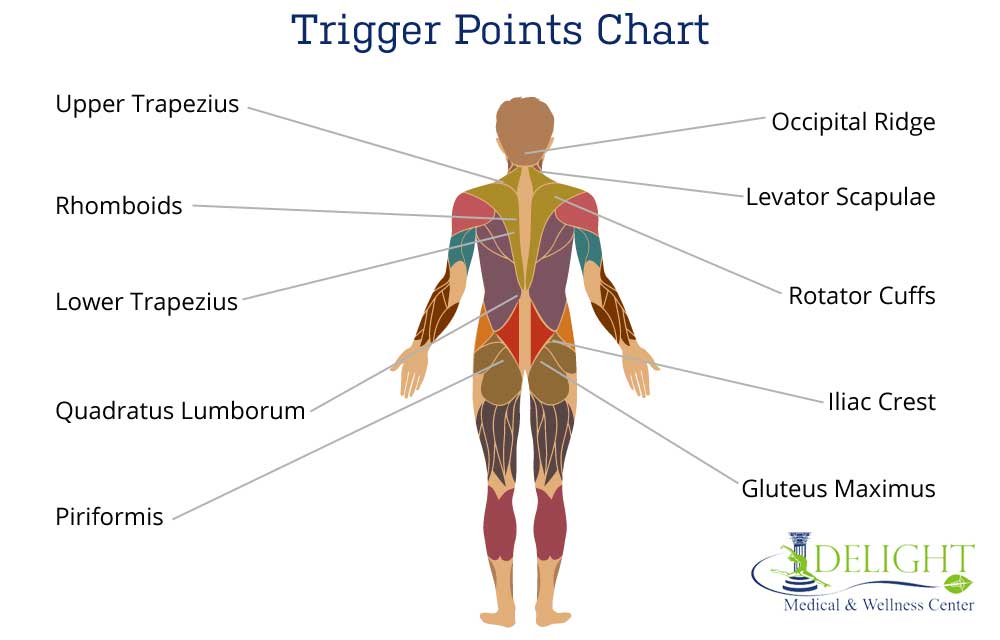
Have you ever noticed a tender, tight area in a muscle that feels like a small knot when you press on it? This may be what is commonly described as a trigger point .
These are sensitive areas found within tight bands of muscle tissue. They may develop when muscles are repeatedly overloaded, held under prolonged tension or placed under greater demand than they are accustomed to.
They are commonly associated with muscle soreness, stiffness and restricted movement. In some cases, pressure over a point can also reproduce discomfort somewhere away from the area being pressed. This is known as referred pain.
At Institute of Sports and Spines in Tingalpa, trigger point therapy and remedial massage may be used as part of a broader approach to managing muscular tension, discomfort and movement restriction.
What Does a Trigger Point Feel Like?
A trigger point may feel like a tender knot, tight band or particularly sensitive area within a muscle.
When pressure is applied, people may experience:
- Local muscle tenderness or soreness
- A feeling of tightness or stiffness
- Reduced flexibility or range of movement
- Discomfort when the muscle is stretched or contracted
- Pain that travels or is felt in another area
The level of sensitivity can vary considerably from person to person. Some trigger points may only be uncomfortable when pressed, while others can be associated with symptoms during normal movement or activity.
What Causes Trigger Points?
There is no single cause of trigger points, and the exact mechanisms involved are still being studied.
However, muscular trigger points may be associated with factors such as repetitive activity, increased training loads, prolonged postures, muscle fatigue or injury.
For example, someone who spends long periods working at a computer may develop areas of muscular tension around the neck and shoulders. Similarly, athletes may notice tight or sensitive areas after increasing training volume, changing their exercise program or repeatedly loading particular muscle groups.
Other contributing factors may include:
- Repetitive movements at work or during sport
- Sudden increases in exercise or training
- Prolonged sitting or static postures
- Muscle fatigue
- Previous musculoskeletal injury
- Reduced movement or mobility
- Changes in physical activity or workload
Rather than simply treating the area that feels tight, it can be useful to consider why the muscle has become irritated or overloaded in the first place.
What Is Referred Pain from a Trigger Point?
One of the characteristics commonly associated with trigger points is referred pain.
This means pressure on one area of a muscle may reproduce discomfort somewhere else.
For example, sensitive areas within some muscles around the shoulder, upper back and neck can be associated with discomfort that is felt elsewhere around the neck, shoulder or head.
Importantly, referred pain can have many possible causes. Therefore, persistent, severe or unexplained pain should be properly assessed rather than automatically assumed to be caused by a muscular trigger point.
How Are Trigger Points Treated with Remedial Massage?
Remedial massage therapy involves assessing muscles and soft tissues to identify areas of tension, tenderness and movement restriction.
When appropriate, a remedial massage therapist may incorporate trigger point release into a treatment session.
Treatment may include:
- Sustained pressure applied to sensitive areas of the muscle
- Remedial massage techniques to address surrounding muscle tension
- Myofascial techniques to assist soft tissue mobility
- Gentle stretching to encourage comfortable movement
- Movement and mobility advice where appropriate
Treatment should always be adjusted to the individual. Trigger point therapy does not necessarily need to be extremely painful to be effective, and applying excessive pressure is not always appropriate.
At Institute of Sports and Spines, remedial massage treatment can also be incorporated into a broader management plan when required.
What Are the Potential Benefits of Trigger Point Therapy?
Depending on the individual and the underlying cause of their symptoms, trigger point therapy and remedial massage may help with:
- Reducing muscular tension and discomfort
- Improving comfortable range of movement
- Addressing areas of muscle tightness
- Managing muscular tension associated with repetitive activity
- Supporting recovery following exercise or physical activity
- Improving mobility when soft tissue restriction is contributing to symptoms
The response to treatment varies between individuals. Therefore, trigger point therapy is generally most useful when it forms part of an appropriate treatment plan rather than being viewed as a stand-alone solution for every type of pain.
Is Trigger Point Therapy Painful?
Trigger point treatment can sometimes feel tender because pressure is being applied to an already sensitive area.
However, treatment should remain within a tolerable level.
A common misconception is that remedial massage must be extremely painful to achieve a result. In reality, the amount of pressure used should depend on the person, the area being treated and the purpose of the treatment.
Your remedial massage therapist can adjust the technique and pressure throughout the session according to your comfort and response.
Can Trigger Points Come Back?
Muscular tightness and sensitive areas can return, particularly when the factors contributing to them remain present.
For example, someone who repeatedly performs the same physical task, spends long periods in one position or suddenly increases their training load may continue to place stress on the same muscles.
For this reason, treatment may also involve looking at contributing factors such as:
- Training or exercise load
- Workplace or daily activities
- Movement habits
- Mobility
- Recovery between training sessions
- Strength and conditioning
Addressing these factors may provide a more useful long-term approach than repeatedly treating the same tender area.
Trigger Point Therapy and Remedial Massage in Tingalpa
If muscle tightness, tenderness or restricted movement is affecting your work, exercise or everyday activities, remedial massage therapy may be one option to consider.
At Institute of Sports and Spines in Tingalpa, remedial massage therapist Augustine Bub works with people experiencing a range of muscular and musculoskeletal concerns.
Treatment is tailored to the individual and may include remedial massage, trigger point techniques, soft tissue treatment and other appropriate approaches based on your presentation and goals.
Where necessary, our multidisciplinary clinic also provides access to other allied health practitioners, allowing treatment and rehabilitation to be coordinated when a broader approach is appropriate.
Recent Comments