

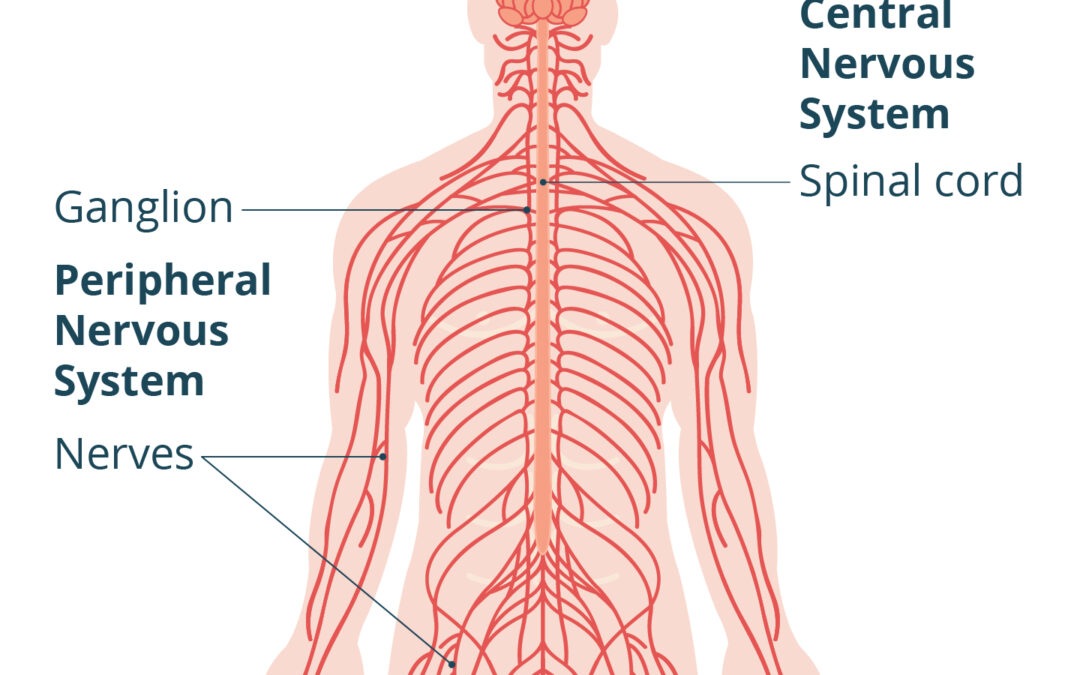
Healing starts in the Nervous System
By Jodi Floyd
How Chiropractic Care Helps You Heal, Adapt & Thrive
When we think about healing, we often focus on where it hurts. But real, lasting healing doesn’t start at the site of pain—it starts in the nervous system.
Your nervous system controls and coordinates everything your body does—from movement and posture to stress response and recovery. When your nervous system is out of balance, your body struggles to function at its best.
How Chiropractic Care Supports Nervous System Function
This is where chiropractic care plays a vital role.
Chiropractic care focuses on identifying and reducing interference in the nervous system, helping your body return to its natural state of health. It’s not just about relieving back or neck pain, it’s about improving overall function so your body can heal, adapt, and thrive.
Chiropractors assess and adjust areas of the spine where normal movement is restricted. These adjustments may include:
- Manual chiropractic adjustments
- Activator techniques
- Blocking methods
- Soft tissue therapy
The goal is to restore proper nervous system communication and improve how your body functions as a whole.
The Role of the Diaphragm in Stress and Healing
The diaphragm is your primary breathing muscle and plays a crucial role in nervous system regulation.
When the diaphragm is tight or restricted, it can lead to:
- Shallow breathing
- Increased breathing rate
- Reduced lung expansion
This directly impacts the balance between the sympathetic nervous system (fight or flight) and the parasympathetic nervous system (rest and recovery).
A restricted diaphragm may contribute to:
- Feeling constantly “on edge”
- Difficulty relaxing
- Increased heart rate
- Digestive issues
- Poor stress recovery
It can also reduce vagal tone (via the vagus nerve), making it harder for your body to shift into a calm, regulated state.
How Breathing Patterns Affect Anxiety and HRV
Tight or inefficient breathing can create a feedback loop in the body:
stress → muscle tension → restricted breathing → more stress.
stress → muscle tension → restricted breathing → more stress.
This can also affect Heart Rate Variability (HRV), a key marker of nervous system adaptability. Healthy diaphragm movement supports better heart rhythm regulation and resilience to stress.
The Psoas Muscle and the Stress Response
The psoas is a deep hip flexor muscle that connects to the lumbar spine and is closely linked to both the diaphragm and nervous system.
A tight psoas can:
- Pull the spine out of alignment
- Restrict diaphragm movement
- Contribute to chronic tension
Because the psoas is associated with the body’s stress response, releasing it can help shift the nervous system from “fight or flight” into “rest and digest.”
Common Signs Your Nervous System Needs Support
You may benefit from chiropractic care if you’re experiencing:
- Ongoing tension or pain
- Feeling run down or fatigued
- Chronic stress or anxiety
- Poor recovery after physical or emotional stress
- Recurring postural issues
Start Your Healing Journey with Chiropractic Care
Healing begins with the nervous system.
If you’ve been feeling stuck in patterns of stress, tension, or discomfort, it may be time to look deeper. Chiropractic care helps restore balance, improve function, and support your body’s natural ability to heal.
Your body already knows how to heal—your nervous system just needs the right support.
Ready to take the first step? Book a chiropractic assessment and start your healing journey with Chiropractic care today.
Recent Comments