

Acupuncture vs Anti-Inflammatories for Lower Back Pain and Sciatica: What Does the Evidence Say?
By Chee Yeap, Acupuncturist
Lower back pain and sciatica can significantly affect movement, sleep, work and everyday activities. When symptoms persist, many people look for treatment options that can help reduce pain and improve function.
Two commonly discussed approaches are acupuncture and non-steroidal anti-inflammatory drugs (NSAIDs).
NSAIDs such as ibuprofen, diclofenac and meloxicam are commonly used to manage pain and inflammation. Acupuncture, meanwhile, is a non-drug treatment that may help some people manage musculoskeletal pain.
So, how does acupuncture for lower back pain compare with anti-inflammatory medication?
What Is Acupuncture?
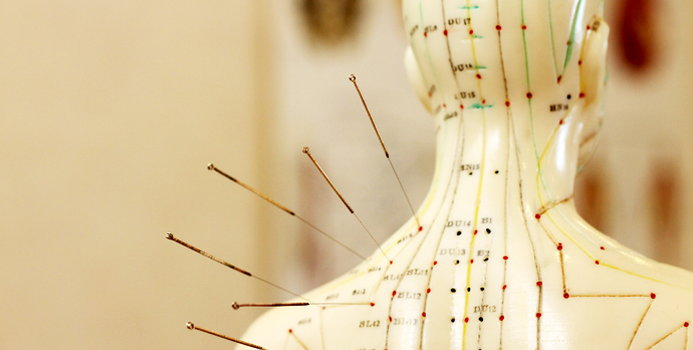
Acupuncture is a treatment that involves inserting very fine, sterile needles into specific points of the body.
Although acupuncture originated within Traditional Chinese Medicine, modern research has investigated several possible mechanisms that may explain its effects on pain.
These include changes in:
- Pain signalling within the nervous system
- Local blood flow
- Muscle tension
- Endogenous pain-relieving chemicals
- The body’s processing and perception of pain
For people with lower back pain or sciatica, acupuncture may form part of a broader management plan that also includes exercise, movement, education and lifestyle strategies.
How Do NSAIDs Help Lower Back Pain?
Non-steroidal anti-inflammatory drugs, or NSAIDs, are medications commonly used to reduce pain and inflammation.
Common examples include:
- Ibuprofen
- Diclofenac
- Meloxicam
- Naproxen
NSAIDs can be useful for short-term pain relief in some people. However, they are not suitable for everyone.
Potential side effects may include gastrointestinal irritation, stomach ulcers, kidney problems and cardiovascular complications. The risk can increase with higher doses, prolonged use or certain underlying medical conditions.
For this reason, NSAIDs should be used according to medical or pharmaceutical advice.
Acupuncture vs NSAIDs for Lower Back Pain
Research into acupuncture for chronic lower back pain suggests that it may provide pain relief and improvements in function for some patients.
Importantly, acupuncture offers a non-drug approach. This may be particularly relevant for people who cannot take anti-inflammatory medication, experience medication side effects or prefer to explore additional pain-management options.
However, acupuncture and NSAIDs should not necessarily be viewed as competing treatments.
The most appropriate approach depends on:
- The cause of the lower back pain
- How long symptoms have been present
- The severity of symptoms
- Other medical conditions
- Current medications
- Activity levels
- Individual treatment preferences
In some situations, several approaches may be used together as part of a broader treatment plan.
Acupuncture for Sciatica
Sciatica usually describes pain that travels from the lower back or buttock into the leg. It is often associated with irritation or compression of a spinal nerve.
Symptoms may include:
- Pain travelling down the leg
- Tingling
- Pins and needles
- Numbness
- Burning discomfort
- Muscle weakness
Acupuncture may help reduce pain and muscle tension for some people with sciatica. However, the effectiveness can vary depending on the underlying cause of the symptoms.
Because sciatica can occasionally be associated with more significant nerve problems, an appropriate clinical assessment is important before starting treatment.
Potential Benefits of Acupuncture for Lower Back Pain
1. A Non-Drug Approach to Pain Management
One of the main advantages of acupuncture is that it does not rely on medication.
For patients concerned about regular use of pain-relieving or anti-inflammatory medication, acupuncture may provide another option to consider.
2. Generally Mild Side Effects
When performed by a suitably qualified practitioner using sterile needles, acupuncture is generally well tolerated.
Minor temporary effects can include:
- Mild bruising
- Tenderness around the needle site
- Temporary fatigue
- Minor bleeding at the needle site
As with any treatment, suitability should be assessed individually.
3. May Help Chronic Lower Back Pain
Clinical research and treatment guidelines have recognised acupuncture as an option that may help some people with persistent or chronic lower back pain.
The aim is not necessarily to eliminate pain immediately. Instead, treatment may focus on reducing symptoms enough to improve movement, activity and quality of life.
4. Can Be Combined With Exercise and Rehabilitation
Acupuncture does not need to be used in isolation.
For many people with persistent lower back pain, the best results may come from combining symptom management with:
- Strengthening exercises
- Mobility work
- Gradual increases in activity
- Education
- Load management
- Lifestyle modification
Reducing pain may make it easier for some patients to participate in rehabilitation and return to normal activities.
Is Acupuncture Better Than Anti-Inflammatories?
There is no single treatment that is best for every person with lower back pain or sciatica.
NSAIDs can provide useful short-term pain relief for some patients. Acupuncture may also help reduce pain and improve function, particularly for people with persistent musculoskeletal symptoms.
Rather than asking whether acupuncture is universally better than NSAIDs, it may be more useful to ask:
Which treatment is most appropriate for this individual patient?
Factors such as medical history, medication use, the cause of the pain and personal preferences should all be considered.
A Broader Approach to Lower Back Pain
Lower back pain is rarely managed effectively by relying on a single treatment alone.
Depending on the individual, management may involve:
- Acupuncture
- Physiotherapy
- Chiropractic care
- Exercise rehabilitation
- Strength training
- Activity modification
- Medication when appropriate
- Education and self-management strategies
At the Institute of Sports and Spines in Tingalpa, our multidisciplinary team can help assess the factors contributing to lower back pain and develop an individual management plan.
When Should You Seek Further Medical Assessment?
Seek prompt medical assessment if lower back pain or sciatica is associated with symptoms such as:
- Significant or progressive leg weakness
- Loss of bladder or bowel control
- Numbness around the groin or saddle region
- Fever or unexplained illness
- Significant trauma
- Unexplained weight loss
- Severe or rapidly worsening symptoms
These symptoms may require further medical investigation.
Can Acupuncture Help Your Lower Back Pain?
For some people, acupuncture for lower back pain and sciatica can be a useful part of a broader pain-management and rehabilitation plan.
While anti-inflammatory medication may provide short-term relief, acupuncture offers a non-drug treatment option that may help reduce pain and improve function for certain patients.
The most appropriate treatment will depend on your symptoms, medical history and the underlying cause of your pain.
To discuss whether acupuncture may be suitable for you, learn more about Chee Yeap, Acupuncturist or book an assessment with the Institute of Sports and Spines.
Recent Comments